
About Us
ELEKTROMEC is a dynamic and forward-looking marine spares company that has quickly emerged as a trusted global partner for shipowners, OEMs, and engine builders.

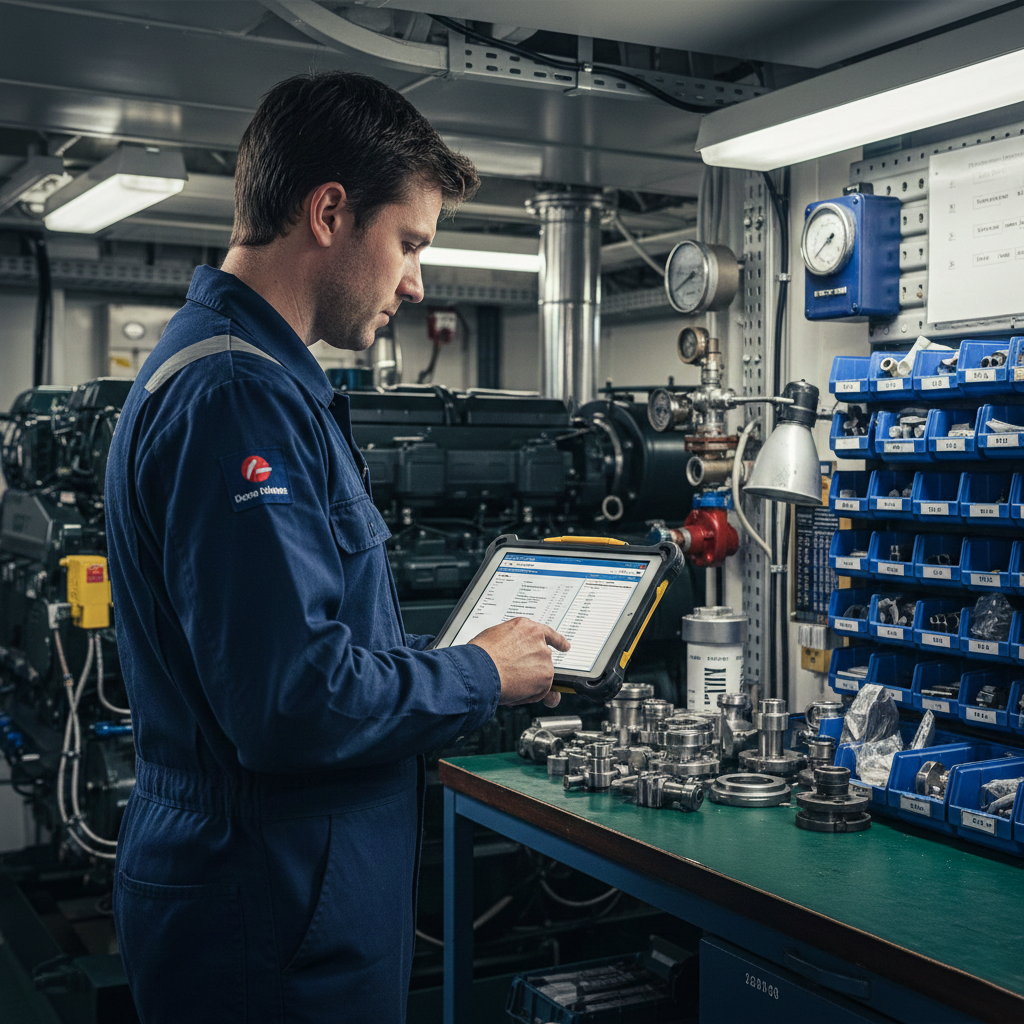
Ordering marine spare parts may appear straightforward, but even a small mistake in part identification or documentation can lead to costly delays, additional freight charges, and serious operational risks. With vessels operating on tight schedules and high daily running costs, accuracy in spare-parts procurement is essential.
A structured technical checklist not only prevents wrong orders but also ensures faster delivery, smoother customs clearance, and reliable onboard performance once the part is installed.
In the marine industry, a wrong spare part does not just mean inconvenience — it can result in:
Vessel downtime and off-hire penalties
Emergency air freight costs
Missed port schedules
Increased workload for crew
Potential safety risks at sea
A well-defined ordering process minimizes these risks and keeps maintenance on track.
Before placing any order, always collect full technical information:
Manufacturer name
Engine/equipment model
Serial number
Year of manufacture
Power rating and configuration
Vessel name and IMO number (if required)
Even similar models from the same OEM may use different parts, so accurate identification is critical.
Marine spare parts often undergo design updates over time. Always verify:
OEM part number
Drawing or catalogue reference
Revision or modification number
Superseded or updated codes
This avoids ordering outdated or incompatible versions that may not fit your equipment.
Use OEM manuals, exploded diagrams, and parts catalogues to:
Confirm part location
Validate compatibility
Identify associated gaskets, seals, or fittings
Avoid missing complementary items
This step ensures complete and correct ordering in one go.
Indicate:
Exact quantity required
Whether the part is critical for vessel operation
If it is for routine maintenance or emergency replacement
This helps suppliers prioritize urgent orders and suggest alternatives if stock is limited.
Always provide:
Current vessel position or next port of call
Port name and country
Local ship agent details
Required delivery date and time window
Clear delivery information avoids misrouting and ensures spares reach the vessel without delay
Before confirming an order:
Ask if the part is in stock
Confirm dispatch timelines
Understand manufacturing lead time if not stocked
Explore alternate stock locations if urgent
This helps you plan maintenance activities realistically.
Ensure whether the part offered is:
Genuine OEM
OEM-approved
Equivalent (if acceptable)
Always clarify material specifications and compatibility to avoid performance issues.
Marine spare parts must withstand long journeys and harsh climates. Confirm:
Moisture-resistant or vacuum packaging
Anti-corrosion protection
Shock-proof packing for electronics
Crating for heavy machinery
Proper packaging prevents transit damage and installation delays.
Depending on port and application, you may need:
Certificate of origin
OEM conformity certificate
Test reports
Class approval documents
MSDS (if applicable)
Missing paperwork can delay customs clearance or installation approval.
Keeping records of:
Previously ordered parts
Failure patterns
Replacement intervals
Supplier performance
helps optimise future procurement and prevents repeat mistakes.
Even with a strong checklist, success depends on your supplier’s technical capability. A professional marine spare-parts partner will:
Verify part numbers before dispatch
Cross-check compatibility with serial numbers
Highlight potential errors
Suggest complete kits when needed
Support urgent and global deliveries
This partnership reduces risk and ensures smooth operations.
Accurate spare-parts ordering is a critical pillar of effective marine maintenance. By following a structured technical checklist — from part identification and documentation to packaging and logistics — shipowners and engineers can avoid costly errors, reduce downtime, and maintain vessel reliability.
A disciplined procurement process, supported by expert suppliers, ensures every spare part ordered contributes to safe and efficient vessel operations.

No comments yet.