
About Us
ELEKTROMEC is a dynamic and forward-looking marine spares company that has quickly emerged as a trusted global partner for shipowners, OEMs, and engine builders.

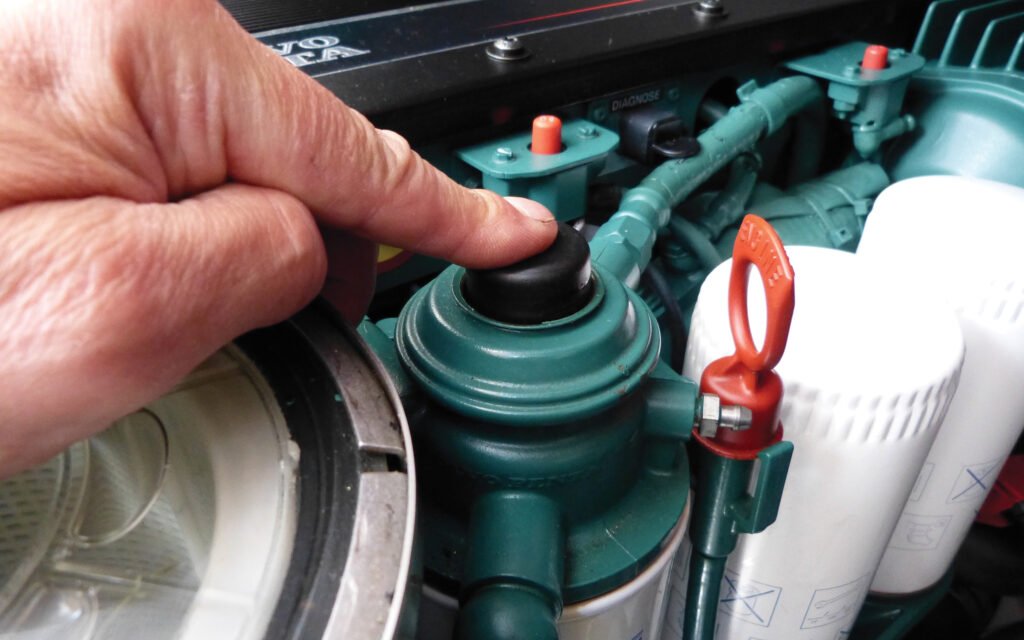
Marine engine filters play a vital role in the overall performance and longevity of vessels, ensuring that engines operate under optimal conditions. These filters are essential components designed to remove contaminants from the fuel, oil, and air that circulate within marine engines. By maintaining the cleanliness of these vital fluids, marine engine filters help to prevent premature wear and tear on engine parts, thereby extending the life of the engine.
In the context of maritime operations, the functionality of vessel engine filters becomes increasingly critical. Marine engines are subjected to harsh operating environments, where exposure to sea water and airborne pollutants can significantly impact engine performance. Effective filtration systems are therefore indispensable in keeping these engines running smoothly. For instance, ship engine filters are tasked with preventing dirt, debris, and other harmful particulates from entering the engine system, which not only enhances performance but also helps in maintaining fuel efficiency.
Among the diverse range of marine engine filters, several specific types cater to different needs. These include fuel filters, oil filters, and air filters, each serving a particular purpose in protecting engine components. Navy ship engine filters are engineered to meet stringent military standards, ensuring reliability under operational stress. Likewise, merchant vessel engine filters are designed to provide durability and efficiency for commercial shipping, which often involves extensive engine usage over long distances.
Overall, understanding marine engine filters is crucial for vessel operators and maintenance personnel, as these components play a decisive role in preventing costly repairs and unplanned downtime. The various types of filters available underscore the importance of selecting the right filtration solutions for ensuring the optimal performance of marine engines.
Marine engine filters are essential components within vessel engine systems, designed to protect engine integrity and performance by removing impurities from various fluids. Understanding the distinct types of marine engine filters is crucial for optimal functioning and maintenance of these engines. Below are the primary types of filters found in marine applications.
Oil Filters: Oil filters are critical for maintaining the quality of oil in marine engines. They work by removing contaminants such as dirt, metal particles, and soot from the oil circulating within the engine. Positioned typically near the oil pump, oil filters ensure that the oil remains clean, thus prolonging engine life and enhancing performance. Regular replacement of these filters is essential to prevent engine wear.
Fuel Filters: Fuel filters are equally vital as they ensure that contaminants do not enter the fuel system of the engine. These filters are designed to trap particles, sediment, and water from the fuel before it reaches the combustion chamber. Fuel filters are placed between the fuel tank and the engine, and their maintenance is crucial to prevent fuel injector clogging and improve overall engine efficiency.
Air Filters: Air filters serve to clean the air entering the engine for the combustion process. They capture dust, debris, and other particulates, ensuring that only clean air reaches the engine cylinders. Located in the air intake system, air filters contribute significantly to optimal combustion and performance.
Water Separators: Water separators are specifically designed to remove water from fuel before it enters the engine. This filtration is particularly important in marine vessels where water can inadvertently mix with fuel. Positioned downstream of the fuel tank, water separators help prevent engine damage and maintain efficient combustion.
Each of these marine engine filters plays a vital role not only in keeping the engine running smoothly but also in enhancing the longevity and performance of ship engine filters and merchant vessel engine filters alike. Regular inspection and replacement of these filters are fundamental for effective marine engine upkeep.
The maintenance of marine engine filters is crucial in ensuring the longevity and performance of the vessel’s engine. Regularly scheduled maintenance and timely replacement of these filters can prevent a myriad of potential complications that may arise from neglect. Marine engine filters play an essential role in the overall functionality of ship engines, as they are designed to capture and eliminate contaminants from fuel and lubricants circulating through the engine system.
Neglecting the maintenance of filters can lead to severe engine damage and suboptimal performance. When contaminants accumulate, they create blockages that inhibit fuel efficiency and reduce overall engine output. This scenario can result in costly repairs and prolonged downtime. In the context of navy ship engine filters and merchant vessel engine filters, the stakes are notably higher; an operational failure could compromise maritime missions and safety.
Practical maintenance tips include checking filters at regular intervals, depending on the operational hours and conditions faced by the vessel. For instance, if a ship operates in particularly harsh conditions, more frequent checks may be warranted. It is also necessary to keep an eye out for signs indicating when filters need replacement, such as changes in engine performance, unusual noise levels, or warning lights on the dashboard. Consistency in maintaining these vessel engine filters will lead to reduced fuel costs and a longer engine lifespan.
In conclusion, the importance of regular maintenance of marine engine filters cannot be overstated. Adhering to a disciplined maintenance schedule ensures not just the sustainability of the engine’s performance but also the overall safety and efficiency of marine operations. This vital practice safeguards against unforeseen complications, ultimately enhancing operational readiness and reliability in maritime activities.
Selecting the appropriate marine engine filter is crucial for the longevity and efficiency of any vessel. The ideal choice depends on various factors, including the type of engine, the operating conditions, and the manufacturer’s specifications. Understanding these elements can guide vessel owners in making informed decisions about their engine filters.
When considering engine type, it is essential to differentiate between filters designed for specific applications, such as navy ship engine filters, merchant vessel engine filters, and general ship engine filters. Each type is engineered to meet unique requirements based on performance, capacity, and filtration efficiency. Therefore, first ascertain your engine’s specifications by referring to the manufacturer’s manual or consulting with a professional mechanic.
Another critical factor to examine is the usage conditions of the vessel. If the vessel operates in harsh environments with increased exposure to contaminants, high-efficiency filters may be necessary. For example, vessels traversing coastal waters may require robust marine engine filters capable of handling significant particulate matter and seawater intrusion. In contrast, those operating in cleaner water might opt for standard filters.
Quality is paramount when choosing engine filters. Look for filters that meet industry standards and are validated by reputable organizations. Research well-established brands known for producing high-quality marine engine filters; these brands often provide detailed information about their products and offer warranty guarantees. Additionally, customer reviews and recommendations within marine engineering forums can provide insight into the reliability and performance of specific filters.
Ultimately, one should prioritize selecting filters designed explicitly for marine engines to ensure compatibility and peak performance. By carefully considering the engine type, operating conditions, and the credibility of the manufacturing brand, vessel owners can make educated choices that contribute to their engine’s health and operational efficiency.
Installing marine engine filters is a crucial component of vessel maintenance that ensures optimal engine performance. This guide outlines the step-by-step instructions for properly installing different types of marine engine filters, as well as the safety measures and tools required.
Before you begin, ensure that you have the necessary tools, such as wrenches, screwdrivers, and oil catch pans, along with the appropriate type of marine engine filter, whether it be for a navy ship, merchant vessel, or other types of ship engine filters.
1. **Preparation**: Start by turning off the engine and allowing it to cool. Ensure the vessel is on a stable surface and, if necessary, secure it with bollards. Gather all tools and the new marine engine filter required for the installation.
2. **Remove the Old Filter**: Locate the existing filter, typically positioned near the engine. Use the appropriate wrench to loosen and remove the old filter. Be cautious as excess oil may spill; position an oil catch pan beneath the filter to catch any drips.
3. **Inspect the Mount**: After removing the old filter, inspect the mount for any signs of wear or damage. Clean the area to ensure a good seal when installing the new marine engine filter.
4. **Install the New Filter**: Take the new vessel engine filter and apply a small amount of lubricating oil to the gasket. This helps create a better seal. Screw in the new filter by hand first, then use the wrench for a snug fit, but avoid overtightening as it may damage the gasket.
5. **Testing**: After installation, start the engine and let it run for a few minutes. Check for any leaks around the newly installed ship engine filter. If any leaks are detected, turn off the engine immediately and reassess the installation to ensure the seal is intact.
6. **Common Mistakes to Avoid**: Avoid cross-threading the filter during installation, which can lead to leaks, and ensure you do not mix up different types of marine engine filters, as each type is designed for specific use. Regular checks can help in maintaining the longevity of your marine equipment.
By adhering to these steps, you can successfully install marine engine filters, ensuring your vessel operates efficiently and safely.
Marine engine filters play a crucial role in ensuring the smooth operation of a vessel’s engine. However, several common problems can arise related to these filters, such as clogging, leaks, and improper installation, which can adversely affect the performance of both navy ship engine filters and merchant vessel engine filters.
One of the most prevalent issues is clogging, primarily caused by the accumulation of debris and contaminants in the filter. Clogged filters restrict the flow of fuel or oil, leading to inefficient engine performance or even engine failure. To diagnose this issue, one can inspect the filter visually. Signs of discoloration, dirt build-up, or a noticeable loss of engine power may indicate that the filter requires replacement or cleaning. Regular maintenance and timely replacement of vessel engine filters are vital to prevent such problems.
Leaks are another serious issue that can arise in marine engine filters. These leaks can occur at the gasket or seal, often due to wear and tear or improper installation. Detecting leaks involves visually inspecting the area around the filter for signs of fuel or oil stains. A pressure test can also help identify leaks that are not immediately apparent. If a leak is detected, the first step is to check the filter installation; ensuring that it is properly secured can often resolve the issue. If the problem persists, replacing the filter may be necessary.
Additionally, incorrect installation of ship engine filters can lead to a myriad of problems, from inefficient filtration to complete engine shutdown. It is essential to follow manufacturer specifications during installation to avoid misalignment or damage to the filter. Consulting with professionals experienced in marine engine operations can provide insight and assistance to ensure proper installation.
In conclusion, understanding and troubleshooting common filtration problems are essential for the reliability and performance of marine engines. By keeping an eye on filter cleanliness, inspecting for leaks, and ensuring proper installation, operators can maintain their marine engine filters more effectively, thereby enhancing the longevity and functionality of their vessels.
Replacing marine engine filters is a crucial maintenance task that ensures optimal performance of vessel engine filters and prolongs the lifespan of the engine. Regular intervals of replacement are paramount; for most marine engines, it is advisable to replace filters every 100 to 200 hours of operation. However, this frequency can vary based on the engine type, the operating environment, and the manufacturer’s guidelines. For instance, navy ship engine filters may require more frequent changes due to the rigors of military operations.
When replacing ship engine filters, it is essential to follow a systematic approach. Begin by gathering all necessary tools and replacement filters. Ensure you have the correct type of marine engine filters specified for your engine model. Check the condition of the filter housing and gaskets, cleaning or replacing them as necessary to prevent leaks and enhance performance.
Proper disposal of old filters is also critical. Many marine engine filters contain contaminants and should be handled in accordance with local environmental regulations. It is advisable to keep a checklist to ensure that every step of the replacement process is executed safely and efficiently; this list should detail the steps from removal of the old filter to installation of the new one, along with notes on disposal. Engaging in best practices not only contributes to engine efficiency but also aligns with environmental considerations, ensuring that any pollutants are disposed of responsibly.
In conclusion, adhering to these best practices for replacing marine engine filters helps maintain vessel integrity and functionality. Regular monitoring and systematic filter replacements can enhance the overall performance of merchant vessel engine filters and ensure that vessel operations run smoothly and efficiently. Proper care and consideration throughout this process can significantly impact the lifespan of the marine engine itself.
The advancement of technology in marine engine filters is set to change the landscape of vessel engine performance significantly. Innovations in materials and design are improving filtration efficiencies, which is crucial for optimizing marine engine operations. Recent developments are focusing on lightweight, durable materials that can withstand harsh marine environments while providing superior filtering capabilities. This shift is expected to enhance the life and reliability of marine engine filters, including those used in navy ship engine filters and merchant vessel engine filters.
One of the most promising advancements in marine engine filtering systems involves the integration of smart technologies. By utilizing sensors and IoT connectivity, modern filters can monitor their own performance, providing real-time data on their condition. This predictive maintenance feature allows for timely maintenance actions that can avert serious downtimes and costly repairs. Such smart marine engine filters not only contribute to operational efficiency but also support compliance with environmental regulations, making them an essential component in the future of marine engineering.
Furthermore, the design of ship engine filters is evolving to include modular systems that can be easily replaced or upgraded. This modular approach allows vessel operators to customize their filtration systems based on specific operational needs or environmental conditions, thereby enhancing overall engine performance. The growth of 3D printing technology is further poised to revolutionize ship engine filter production, allowing for complex geometries that optimize flow and filtration rates.
In conclusion, the future of marine engine filters is bright, characterized by innovative materials, advanced technologies, and smart design practices. These developments will not only boost the efficiency of marine engines but also contribute to the sustainability of marine operations, ensuring that vessel engine filters remain at the forefront of maritime technology advancements.
Marine engine filters play a crucial role in maintaining the functionality and longevity of various types of vessels, including navy ships, merchant vessels, and other watercraft. These filters are essential for protecting the engine by removing contaminants from fuel and lubricants, which can lead to costly repairs and decreased efficiency if left unchecked. By ensuring that marine engine filters are adequately maintained and replaced according to the manufacturer’s guidelines, vessel operators can avert numerous operational challenges.
Moreover, the proper selection of ship engine filters can significantly impact the overall performance of a maritime operation. Filters specifically designed for marine environments—such as navy ship engine filters and merchant vessel engine filters—offer specialized enhancements to combat the unique conditions these vessels encounter. Key considerations when selecting marine engine filters include the source of contaminants, engine specifications, and the specific requirements dictated by the vessel’s operational profile.
In essence, investing in high-quality vessel engine filters is not merely a precaution; it is an integral part of ensuring optimal engine performance and reliability. Moreover, regular inspections and timely changes of these filters can lead to improved fuel efficiency, reduced emissions, and extended engine life cycles. The importance of recognizing the value of quality marine engine filters cannot be overstated, as it bears directly on the engine’s operational effectiveness and the vessel’s overall performance.
Ultimately, prioritizing the maintenance and proper selection of marine engine filters is a wise strategy for any vessel owner or operator. By doing so, they not only optimize engine performance but also contribute to a more sustainable and efficient maritime operation.
No comments yet.